About Reiki
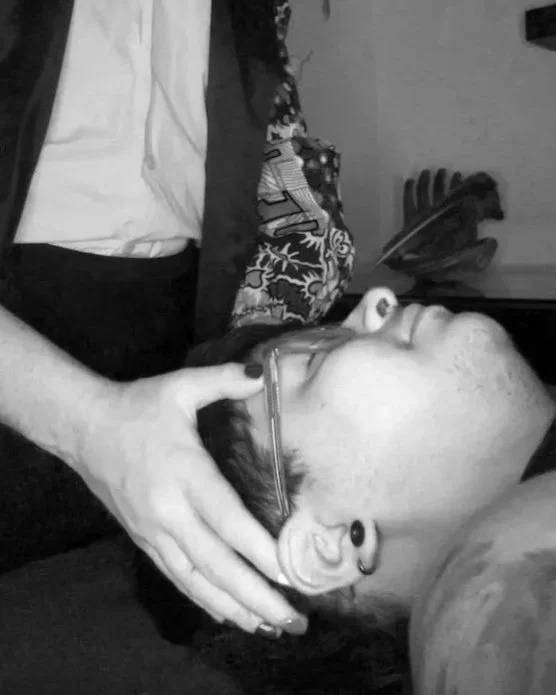
Reiki is a gentle healing practice that promotes well-being of the body, emotions, mind, and Spirit.
Reiki was discovered by Mikao Usui in Japan in 1922.
During treatment the practitioner acts as a channel for the Reiki healing to enter the client, either with a hands-on technique or from a distance.
Reiki can be used on anyone or anything like people, pets, and plants.
Reiki has been used to heal a variety of physical, mental, and emotional concerns.
Combined with traditional medical treatments, Reiki improves health outcomes.
Reiki influences the best possible outcome for every life circumstance.
There are no contraindications to Reiki.
Frequently Asked Questions
-
Yes. Reiki practitioners learn about symbols to strengthen their practice. One of these is for distance Reiki. The healing channeled by the practitioner during Reiki is able to travel through space and time to your body, despite being in a different location. It’s like the SiriusXM app, which connects you to your favorite radio stations on the go. If you are tuned to Calla’s Reiki radio station while she is broadcasting, you will receive her healing frequencies. Plus you never have to leave your bed!
-
I am sorry to hear that your past experience with Reiki was difficult. Reiki is not able to cause harm. Our bodies are built to survive. Sometimes, this means burying trauma away from our awareness. It is possible that the Reiki session caused changes which brought the unprocessed trauma up to the surface. Another possibility is that innate psychic abilities you were unaware of became stronger after your session and you were responding to an increase in unfamiliar input. If you are still curious to receive Reiki, work with a trauma informed healer, like Calla.
Sources For Further Research
Reiki Is Better Than Placebo and Has Broad Potential As A Complementary Health Therapy by David E McManus, PhD
Reiki: An effective self-care practice by Marissa Winters
An Integrative Review of Reiki Touch Therapy Research by Anne Vitale, MSN, APRN, BC